
Tiny House Sleeper Sofa: The Ultimate Space-Saving Solution
Discover how the right tiny house sleeper sofa can transform your compact living space into a versatile, comfortable, and functional home. Expert advice on dimensions, mechanisms, and styling for small spaces.
Explore the GuideWhy a Tiny House Sleeper Sofa Matters: In a tiny house, every square inch counts. A sleeper sofa isn't just furniture—it's a dual-purpose investment that maximizes your living area. This guide will walk you through everything you need to know to choose the perfect compact sleeper sofa for your tiny home, from space-saving mechanisms to durable materials that withstand daily conversion.
Why a Sleeper Sofa Is Essential for Tiny House Living
Tiny houses typically range from 100 to 400 square feet, which means traditional guest rooms are a luxury most owners simply cannot afford. A tiny house sleeper sofa solves this problem elegantly by providing comfortable seating during the day and a cozy bed at night—all without requiring a separate bedroom. This dual functionality is why sleeper sofas have become one of the most popular furniture choices among tiny home enthusiasts, van lifers, and RV owners alike.
Beyond space savings, modern sleeper sofas for tiny houses have evolved significantly. Today's models feature advanced conversion mechanisms, high-density foam mattresses, and compact footprints that fit through narrow doorways and into tight corners. Whether you're furnishing a 60-inch RV sleeper sofa or a 68-inch RV sleeper sofa, there's a design that fits your specific dimensions and lifestyle needs.
Key Dimensions: What Size Sleeper Sofa Fits Your Tiny House?
Before purchasing any sleeper sofa for your tiny home, you must measure your available space with precision. Unlike standard homes, tiny houses leave little margin for error. Here are the critical dimensions to consider:
- Width: Tiny house sleeper sofas typically range from 55 to 75 inches wide. Models like the 55-inch sleeper sofa or 62-inch sleeper sofa are ideal for extremely tight spaces.
- Depth: When closed, most compact sleeper sofas measure between 32 and 38 inches deep. Keep in mind that when opened, the bed extends significantly—often adding 40 to 60 inches of depth.
- Height: Low-profile designs like the low sleeper sofa or low-back sleeper sofa are excellent for tiny houses with lofted ceilings or limited vertical space.
- Clearance: Ensure your chosen model can navigate through narrow doorways and hallways. The sleeper sofa for narrow doorway guide offers specific recommendations for tight access situations.
For tiny houses on wheels or RVs, you'll also need to consider weight distribution and whether the sofa can be securely anchored during transit. Models like the 70-inch RV sleeper sofa are specifically engineered for mobile applications.
Best Conversion Mechanisms for Tiny House Sleeper Sofas
The mechanism is the heart of any sleeper sofa, and in a tiny house, it's even more critical. You need a system that's easy to operate in tight quarters, durable enough for daily use, and doesn't require excessive clearance. Here are the top options:
Click-Clack Mechanisms: These are among the most popular for tiny houses because they require minimal clearance and convert quickly. The seat folds flat to create a sleeping surface. They're lightweight and often more affordable than pull-out systems. A slim sleeper sofa with a click-clack mechanism is an excellent choice for narrow spaces.
Pull-Out Mechanisms: Traditional pull-out couches use a metal frame that unfolds from beneath the seat. While comfortable, they require more clearance—typically 24 to 36 inches in front of the sofa. For tiny houses with limited floor space, a loveseat pull-out sleeper sofa offers a compact alternative that still provides a full-size sleeping area.
Futon-Style Mechanisms: Futons are simple, durable, and require no complex hardware. They're ideal for tiny house owners who want a low-maintenance solution. The everyday sleeper sofa often uses a futon-style design that's built for daily conversion.
Pop-Up and Fold-Down Designs: For the ultimate space efficiency, consider a pop-out sleeper sofa or pop-up sleeper sofa sectional. These innovative designs maximize both seating and sleeping areas without permanent expansion.
Choosing the Right Mattress for Your Tiny House Sleeper Sofa
The mattress can make or break your sleeper sofa experience. In a tiny house, you need a mattress that's comfortable, durable, and easy to store or fold. Here's what to look for:
Memory Foam Mattresses: These are ideal for tiny houses because they conform to your body, reduce pressure points, and can be compressed for storage. A full-size sleeper sofa with memory foam mattress offers excellent comfort in a compact package. For queen-size options, consider a queen sleeper sofa with inflatable mattress if you prefer adjustable firmness.
Inflatable Mattresses: Some sleeper sofas come with inflatable mattresses that can be deflated and stored in a fraction of the space. This is a great option for tiny houses where storage is at a premium. However, inflatable mattresses may not be as durable for nightly use.
High-Density Foam: For daily use, high-density foam mattresses are the most durable choice. They maintain their shape over time and provide consistent support. Look for mattresses that are at least 4 to 5 inches thick for adequate comfort.
Mattress Toppers: If your sleeper sofa's mattress is too firm or thin, a mattress topper can dramatically improve comfort. The mattress for sleeper sofa queen guide offers detailed recommendations for upgrading your sleeping surface.
Space-Saving Features Every Tiny House Sleeper Sofa Should Have
When every inch counts, these features can make a significant difference in your tiny home's functionality:
- Built-in Storage: A small sleeper sofa with storage provides hidden compartments for bedding, pillows, or other essentials. Chaise storage models like the sleeper sectional sofa with storage chaise are particularly effective in tiny houses.
- Reversible Design: A reversible sofa sleeper allows you to configure the chaise or bed orientation to suit your layout, maximizing flexibility in tight spaces.
- Modular Components: A modular sleeper sofa sectional can be rearranged to fit different room configurations. This is ideal for tiny houses where furniture placement may need to change seasonally or as your needs evolve.
- USB Ports and Power Outlets: A media sleeper sofa with built-in charging ports keeps your devices powered without requiring additional outlets or floor clutter.
- Lightweight Construction: A sleeper sofa that can be disassembled is easier to move, reconfigure, or transport if you relocate your tiny house.
Placement and Layout Tips for Tiny House Sleeper Sofas
Where you place your sleeper sofa can dramatically affect how well your tiny house functions. Here are expert tips for optimal placement:
Corner Placement: Placing your sleeper sofa in a corner maximizes floor space and creates a cozy seating area. An small L-shaped sleeper sofa is particularly effective for corner configurations, providing ample seating while keeping the center of the room open.
Against a Wall: For pull-out mechanisms, placing the sofa against a wall is essential—but you'll need to account for the extension when the bed is open. Measure carefully and consider a horizontal sleeper sofa if you want to minimize the depth of the extension.
Room Dividers: In open-concept tiny houses, a sleeper sofa can act as a natural room divider between the living area and sleeping zone. A sleeper sofa 3-seater can anchor a living space while providing a clear boundary.
Traffic Flow: Ensure there's at least 18 to 24 inches of clearance around your sofa for comfortable movement. In tiny houses, this often means choosing a 55-inch sleeper sofa or tiny house sleeper sofa specifically designed for compact layouts.
Materials and Durability: What to Look For
In a tiny house, your sleeper sofa will see frequent use—often daily conversion between seating and sleeping. Durability is paramount. Here's what to prioritize:
Frame Construction: Look for hardwood or metal frames, which offer superior strength and longevity. A heavy-duty sleeper sofa or sturdy sleeper sofa is worth the investment for tiny house living.
Upholstery: Choose easy-to-clean, durable fabrics. Microfiber and faux leather are excellent choices for tiny houses because they resist stains and are simple to wipe down. A microfiber sectional sleeper sofa or faux leather sectional sleeper sofa offers both durability and style.
Mechanism Quality: Cheap mechanisms will fail quickly under daily use. Invest in a model with a warranty and a reputation for reliability. A premium sleeper sofa may cost more upfront but will save you money and frustration in the long run.
Eco-Friendly Options: If sustainability matters to you, consider an eco-friendly sleeper sofa made from recycled materials or sustainable wood sources.
Styling Your Tiny House Sleeper Sofa
Just because your space is small doesn't mean it can't be stylish. Here are some design ideas to make your tiny house sleeper sofa a focal point:
Color Choices: Light neutrals like cream, white, or beige can make a tiny space feel larger. A white sleeper sofa sectional or sleeper sofa cream reflects light and creates an airy atmosphere. For a bolder look, consider a turquoise sleeper sofa or mustard yellow sleeper sofa as an accent piece.
Textures and Materials: Mix textures to add depth without clutter. A velvet green sleeper sofa or boho sleeper sofa adds a luxurious touch, while a danish sleeper sofa brings minimalist Scandinavian charm.
Multi-Functional Accessories: Use ottomans, nesting tables, and wall-mounted shelves to complement your sleeper sofa without consuming floor space. A sleeper sofa and recliner set can provide additional seating without adding bulk.
Recommended Tiny House Sleeper Sofas
⚠️ AFFILIATE DISCLOSURE: This website contains affiliate links. As an affiliate Associate, we earn from qualifying purchases. If you make a purchase through these links, we may receive a small commission at no additional cost to you. Read our full affiliate policy.

MALOL Convertible Chair-Fabric Sofa Bed, Single Sleeper Sofa, Dark Grey

Wakefit 58in Sleeper Sofa Bed, Convertible Pull Out Couch Bed Full Size Corduroy Fabric Loveseat for Living Room, Apartment, Office(Darkgrey)
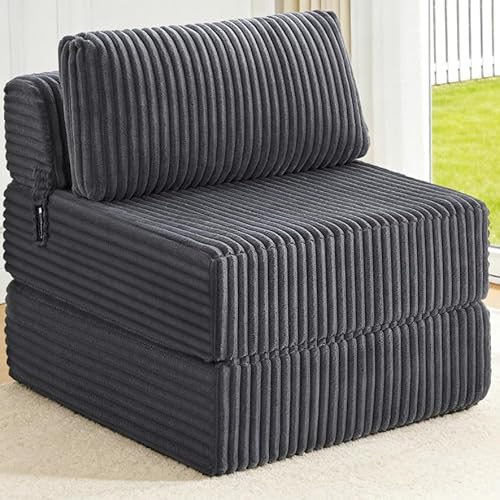
MEGAYES Folding Sofa Bed Convertible 4 in 1 Sleeper Chair Gray Single

JUIKURY Convertible Sofa Bed, 3-in-1 Foldable Loveseat Couch with Armrest, Corduroy Floor Sofa & Sleeper Bed, No Assembly High-Density Foam Futon Mattress for Living Room, Small Apartment, Dorm

Lumbershed Folding Sofa Bed, 3-in-1 Convertible Sleeper Chair Bed with Pillows, Foldable Floor Couch with High-Density Foam, Futon Small Boneless Couch for Living Room Bedroom Lounge, Single, White

Dreamzie 65'' Convertible Sleeper Sofa Bed with Swivel Side Table, Chenille Pull Out Couch for Living Room, Loveseat Sleeper Couch with Hidden Storage Space | Charging Port | Cup Holders, Grey

Full Size Pull Out Sleeper Sofa Bed, Pullout Loveseat Couch Bed, Beige

VINGLI Loveseat Sleeper Sofa Couch with Pull Out Chair Bed for Living Room
Tiny House Sleeper Sofa Buying Checklist
Before you make your purchase, run through this checklist to ensure you're making the right choice for your tiny home:
- ✅ Measure your space—width, depth, and height—including doorways and hallways.
- ✅ Determine your preferred sleeping surface size (twin, full, queen).
- ✅ Choose a conversion mechanism that fits your clearance and usage needs.
- ✅ Verify the mattress type and thickness for comfort and durability.
- ✅ Check for space-saving features like storage, modularity, or USB ports.
- ✅ Confirm the frame and upholstery materials are durable and easy to clean.
- ✅ Read reviews and check warranties for peace of mind.
- ✅ Consider the weight and whether it can be disassembled for transport.
- ✅ Factor in the price—tiny house sleeper sofas range from $300 to $2,500 depending on size, materials, and features.
Common Mistakes to Avoid When Buying a Tiny House Sleeper Sofa
Learn from others' mistakes to ensure a smooth purchase:
Mistake #1: Not Measuring the Open Bed. Many buyers forget to measure the extended bed length and width. In a tiny house, an open sleeper sofa can consume nearly the entire room. Always account for the full extension.
Mistake #2: Choosing Style Over Function. A beautiful sofa that's uncomfortable to sleep on or difficult to convert will quickly become a source of frustration. Prioritize function, then style.
Mistake #3: Ignoring the Mattress Quality. The included mattress is often the weakest link. Budget for a mattress upgrade or topper if needed. A mattress for sleeper sofa queen can transform a mediocre sleeping experience into a great one.
Mistake #4: Overlooking Weight Limits. Tiny house floors and RV chassis may have weight restrictions. Check the sofa's weight and ensure it's compatible with your structure.
Mistake #5: Forgetting About Storage. Without adequate storage, your tiny house will quickly become cluttered. Choose a model with built-in storage or pair it with under-sofa bins.
Conclusion: Your Perfect Tiny House Sleeper Sofa Awaits
Choosing the right tiny house sleeper sofa is one of the most important furniture decisions you'll make for your compact home. By carefully considering dimensions, mechanisms, mattress quality, and space-saving features, you can create a living area that's both functional and inviting—day and night.
Whether you're furnishing a traditional tiny house, an RV, or a converted van, the principles in this guide will help you make an informed decision. Remember to measure twice, prioritize durability, and don't compromise on comfort. With the right sleeper sofa, your tiny house can feel like a spacious, welcoming home.
Ready to explore specific models? Browse our recommended tiny house sleeper sofas above, or dive deeper into our guides on small L-shaped sleeper sofas, sleeper sofas in a box, and rent-to-own options for budget-conscious shoppers.