Why Your Sleeper Sofa Cushions Slide (And How to Fix It)
If you own a pull-out sleeper sofa or a click-clack sleeper sofa, you've likely experienced the frustration of seat cushions shifting every time you sit down or convert the bed. This happens because the smooth fabric of the cushion rubs against the smooth deck of the sofa frame. Standard foam or batting simply doesn't have enough friction to hold everything in place.
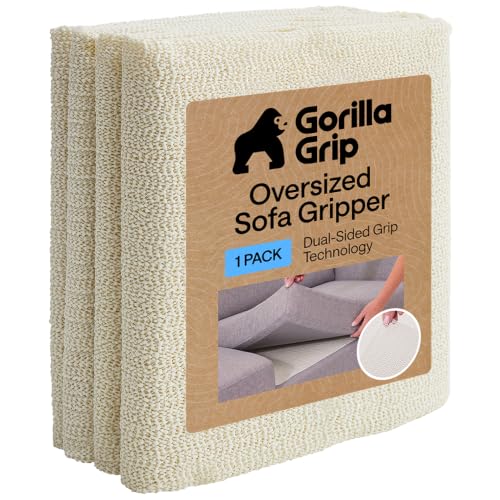
This is where non-slip sleeper sofa pads come in. These grips are designed to create a high-friction barrier between the cushion and the frame. They are particularly essential for leather sleeper sofas and faux leather sleeper sofas, where the surface is naturally slippery.
Types of Non-Slip Pads for Sleeper Sofas
Not all grips are created equal. Depending on your sofa's material and mechanism, you might need a different type of pad:
- PVC Mesh Pads: The most common and affordable option. They work well for fabric sofas but can leave marks on delicate velvet sleeper sofas.
- Rubberized Grips: Ideal for heavy cushions and sectional sleeper sofas. They offer superior grip without adding bulk.
- Adhesive Strips: Best for securing the pad itself to the frame. Useful if you have a metal frame sleeper sofa where mesh pads tend to slip.
How to Choose the Right Size and Thickness
When shopping, you'll notice pads come in various sizes. For a standard queen sleeper sofa or full sleeper sofa, you need a pad that covers the entire seating deck. If you have a twin sleeper sofa, a smaller pad is sufficient.
Thickness is a trade-off. Thicker pads (1/4 inch) offer better grip and protection against mechanism wear, but they might make the cushions sit slightly higher. Thinner pads (1/8 inch) are less noticeable but may not last as long. For optimal comfort, consider pairing your pad with high-density foam cushions.
Installation and Maintenance Tips
Installing a non-slip pad is straightforward, but doing it correctly ensures longevity. First, clean the surface of your sofa frame. If you have dust or crumbs, the pad won't stick. Use a vacuum or refer to our sleeper sofa upholstery cleaning guide for a deep clean.
Place the pad on the deck before putting the cushions back. If you have a sleeper sofa with storage, ensure the pad doesn't interfere with the storage compartment hinges. If you need to secure the pad further, consider using anti-tip straps in conjunction with the pad.
Maintenance is easy: vacuum the pad regularly to remove dust. If it loses its grip, wash it according to the manufacturer's instructions (usually hand wash with mild soap). For stubborn stains on the pad itself, refer to our liquid spill cleanup guide.
Complementary Accessories for a Stable Sofa
While non-slip pads are the primary solution, other accessories can help. If your sofa tends to slide across the floor, you might need sleeper sofa felt pads for the legs. For safety, especially with reclining sleeper sofas, using sleeper sofa wall anchors is a smart move. And to keep your coffee table items from sliding, a sleeper sofa coasters guide can be helpful.