
Vintage Sleeper Sofa Restoration: A Complete DIY Guide
Bring your antique sleeper sofa back to life. Learn how to assess, repair, and restore vintage convertible sofas with professional techniques for frames, mechanisms, and upholstery.
START RESTORINGWhy Restore a Vintage Sleeper Sofa? Vintage sleeper sofas are built with solid hardwood frames and heavy-duty steel mechanisms that often outlast modern equivalents. Restoring one preserves craftsmanship, reduces waste, and gives you a one-of-a-kind piece at a fraction of the cost of new furniture.
This guide walks you through every stage—from initial assessment and frame repair to mechanism restoration, upholstery replacement, and final assembly. Whether you're a seasoned DIYer or a first-timer, you'll find practical, step-by-step advice to make your restoration project a success.
Recommended Products for Vintage Sleeper Sofa Restoration
⚠️ AFFILIATE DISCLOSURE: This website contains affiliate links. As an affiliate Associate, we earn from qualifying purchases. If you make a purchase through these links, we may receive a small commission at no additional cost to you. Read our full affiliate policy.

115.3'' Sleeper Sofa Bed King, Velvet Chesterfield Pull Out Couches, Gray

VINGLI Loveseat Sleeper Sofa Couch with Pull Out Chair Bed for Living Room | Rustic Convertible Futon Sofa Bed, Gold Foil Fabric Couch Bed with USB Port, Cup Holder, Side Storage for Bedroom, Apartment

89" Chesterfield Velvet Sofa, 4 Seater Tufted Couch for Living Room, Grey | Vintage PU Leather Sofa for Apartment, Classic Button Tufted Roll Arm Upholstered Sofa, Modern Mid-Century Large Sofa Settee

89" Chesterfield Velvet Sofa, 4 Seater Tufted Couch for Living Room, Black | Vintage PU Leather Sofa for Apartment, Classic Button Tufted Roll Arm Upholstered Sofa, Modern Mid-Century Large Sofa Settee

89" Chesterfield Velvet Sofa, 4 Seater Tufted Couch for Living Room, Brown | Vintage PU Leather Sofa for Apartment, Classic Button Tufted Roll Arm Upholstered Sofa, Modern Mid-Century Large Sofa Settee

89" Chesterfield Velvet Sofa, 4 Seater Tufted Couch for Living Room, Beige | Vintage PU Leather Sofa for Apartment, Classic Button Tufted Roll Arm Upholstered Sofa, Modern Mid-Century Large Sofa Settee

Signature Design by Ashley Bolsena Queen Leather Sofa Sleeper, Caramel | Combination leather and faux leather sleeper sofa, Bi-fold memory foam mattress, Contemporary 3-seater pull out couch
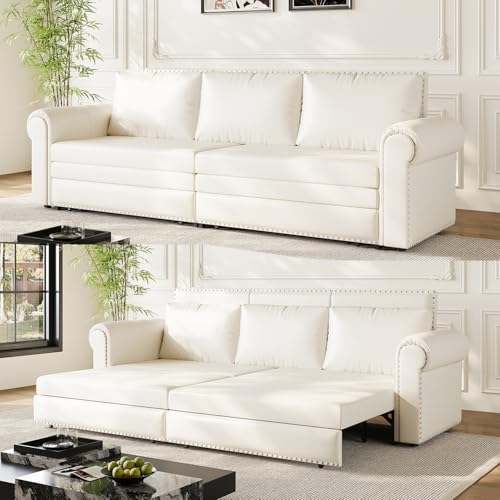
Ochangqi Leather 3 Seater Sleeper Sofa for Living Room Sofa Sleeper | with Pull Out Bed 3-in-1 Convertible Sitting Lying Sleeper Sofa with Nailhead Trim & Rolled Arm for Bedroom,Office
Step 1: Assessing Your Vintage Sleeper Sofa
Before you begin any restoration work, you need to thoroughly evaluate the condition of your vintage sleeper sofa. This assessment will determine whether the project is worth pursuing and help you create a realistic budget and timeline.
Structural Integrity Check
Start by examining the frame. Look for cracks, warping, or signs of wood rot. Solid hardwood sleeper sofa frames are usually repairable, while engineered wood sleeper sofas may have particle board that crumbles when damaged. Check all sleeper sofa wood joints—loose joints can often be re-glued and clamped, but broken structural members may need replacement.
Mechanism Evaluation
The folding mechanism is the heart of any vintage sleeper sofa. Test the sleeper sofa mechanism by opening and closing it several times. Listen for grinding, popping, or uneven movement. Rust is common on older mechanisms but can often be cleaned and lubricated. Severely bent or broken parts may require sleeper sofa mechanism repair or replacement with modern hardware.
Upholstery Condition
Assess the fabric or leather covering. Minor wear can sometimes be treated, but extensive damage usually calls for full reupholstery. For leather pieces, check for cracking, peeling, or stiffness—these may require leather conditioning or complete replacement. Fabric sofas with worn spots, tears, or stains are prime candidates for a sleeper sofa reupholstery guide project.
Mattress and Cushion Inspection
Vintage sleeper sofa mattresses are often thin and uncomfortable by modern standards. Consider replacing them with a modern memory foam sleeper sofa mattress or adding a sleeper sofa mattress topper for improved comfort. Check high-density foam cushions for compression and sagging—these can be replaced or refreshed.
💡 Pro Tip: Take photos of every component before disassembly. These reference images will be invaluable when reassembling the mechanism and attaching new upholstery.
Step 2: Frame Repair and Reinforcement
The frame is the foundation of your restoration. A solid frame ensures your sleeper sofa will function properly for decades to come.
Cleaning and Preparation
Remove all upholstery, foam, and hardware from the frame. Sand away loose finish, dirt, and any surface rust on metal components. For wooden frames, inspect for veneer damage—loose veneer can be re-glued, but missing sections may need patching with matching wood.
Joint Repair
Disassemble loose joints, clean out old glue, and reassemble with wood glue and clamps. For added strength, reinforce critical joints with dowels, screws, or corner braces. If you're working with a piece that needs aesthetic updates, consider sleeper sofa restaining to refresh the wood's appearance.
Leg Restoration
Vintage legs are often damaged or missing. You can restore original legs with wood filler and stain, or replace them with new sleeper sofa leg styles that match the period. For metal legs, remove rust and apply a protective coating.
Hardware Upgrades
Consider upgrading original hardware with modern equivalents. New sleeper sofa screw types and sleeper sofa hinge repair kits can dramatically improve function and durability. If the original mechanism is beyond repair, a sleeper sofa hardware upgrade may be the best solution.
Step 3: Restoring the Folding Mechanism
The folding mechanism is what makes a sleeper sofa function. Vintage mechanisms are typically made of heavy-gauge steel and can often be restored to like-new condition.
Disassembly and Cleaning
Remove the mechanism from the frame and disassemble it as much as possible. Soak metal parts in a rust remover or use a wire brush to remove corrosion. Pay special attention to pivot points and sliding surfaces—these are the most critical areas for smooth operation.
Lubrication
After cleaning, apply a high-quality lithium grease or silicone spray to all moving parts. Avoid using oil-based lubricants that attract dust and dirt. Work the mechanism back and forth several times to distribute the lubricant evenly.
Repairing Bent or Broken Parts
Minor bends can often be straightened with a vise and mallet. Broken springs, cracked brackets, or severely bent bars may need to be replaced. Check if replacement parts are available for your specific mechanism, or consider adapting modern hardware if originals are unobtainable.
Testing the Mechanism
Before reinstalling, test the mechanism thoroughly. It should open and close smoothly without binding, grinding, or excessive force. If you encounter persistent issues, consult a professional or consider a complete mechanism repair service.
💡 Pro Tip: If your vintage mechanism is missing parts, search online forums and auction sites for donor sofas. Many vintage sleeper sofa mechanisms share common components across brands and years.
Step 4: Upholstery and Cushion Replacement
New upholstery transforms a vintage sleeper sofa from shabby to stunning. This is your opportunity to customize the look while preserving the original character.
Choosing the Right Fabric
Select a fabric that matches your style and durability needs. For a period-correct look, consider linen, cotton, or velvet. For modern families, microfiber or bouclé offer excellent stain resistance and durability.
Leather Options
If your vintage sofa originally had leather, you can restore it with leather conditioning or replace it with new leather sleeper sofa upholstery. Top-grain leather offers the best durability and patina, while faux leather and vegan leather are budget-friendly alternatives.
Cushion Refresh
Replace worn foam with new high-density foam cushions. Consider adding a cushion refresh layer of memory foam or down alternative for extra comfort. For the mattress, a sleeper sofa mattress guide can help you choose the right replacement.
Upholstery Techniques
If you're new to upholstery, practice on scrap fabric first. Use a heavy-duty staple gun and high-quality staples. Pull fabric taut but not so tight that it distorts the frame. For complex curves, make relief cuts and work slowly. Consider hiring a professional upholsterer for intricate pieces.
Step 5: Finishing Touches and Reassembly
The final steps bring your restored sleeper sofa back to life. Take your time during reassembly to ensure everything fits and functions perfectly.
Protection and Finishing
Apply a protective finish to wooden components. Use upholstery fabric protector on new fabric to guard against stains and spills. For leather, apply a quality conditioner to keep it supple and prevent cracking.
Reassembly Tips
Reattach the mechanism to the frame using new, high-quality fasteners. Follow your disassembly photos to ensure correct orientation. Test the mechanism before attaching cushions and upholstery. Make sure all screws are tight and all moving parts operate smoothly.
Leveling and Placement
Once assembled, check that the sofa sits level. Use sleeper sofa leveling techniques to adjust legs or add shims as needed. Attach sleeper sofa felt pads to protect your floors. If you have young children or pets, consider sleeper sofa anti-tip straps for added safety.
Final Cleaning and Maintenance
Give your restored sofa a final cleaning. Use appropriate methods for your upholstery—sleeper sofa upholstery cleaning for fabric or leather conditioning for leather. Establish a regular maintenance routine to keep your restoration looking beautiful for years.
Restoration Cost Breakdown
Understanding the costs involved helps you budget your project effectively. Here's a general breakdown of what you can expect to spend on a vintage sleeper sofa restoration:
| Component | Estimated Cost | Notes |
|---|---|---|
| Frame Repair Materials | $50–$150 | Wood glue, clamps, dowels, filler, stain |
| Mechanism Parts/Replacement | $100–$400 | Depends on condition and availability |
| Upholstery Fabric | $150–$600 | 3–8 yards depending on sofa size and fabric type |
| Foam and Cushions | $100–$350 | High-density foam, mattress replacement |
| Tools and Supplies | $50–$200 | Staple gun, staples, lubricant, protective finish |
| Total DIY Cost | $450–$1,700 | Excludes labor if hiring professionals |
| Professional Upholstery | $800–$2,500 | If you choose to outsource this step |
Compared to buying a new quality sleeper sofa (which can range from $1,200 to $3,500), restoration often provides better value—especially if you love the vintage design and solid construction of your existing piece.
Tips for a Successful Restoration
- Work in a well-ventilated space. Glues, stains, and lubricants can produce fumes. Set up your workspace in a garage or outdoor area with good airflow.
- Organize your parts. Use labeled bags or containers for screws, bolts, and small components. Take photos at every stage of disassembly.
- Invest in quality tools. A good staple gun, clamps, and a random orbital sander will make the job easier and produce better results.
- Don't rush the mechanism. The folding mechanism is the most critical component. Take extra time to clean, lubricate, and test it thoroughly before reassembly.
- Consider professional help for upholstery. If you're not confident in your sewing or upholstery skills, hiring a professional for this step can save you frustration and produce a better finish.
- Source parts early. Vintage parts can be hard to find. Start searching for replacement components before you begin disassembly.
- Test before you commit. If the frame is severely damaged or the mechanism is beyond repair, consider whether restoration is worth the investment compared to buying a new or secondhand sleeper sofa.
When to Restore vs. When to Replace
Not every vintage sleeper sofa is worth restoring. Here are some guidelines to help you decide:
Restore If:
- The frame is solid hardwood or high-quality engineered wood with only minor damage
- The mechanism is complete and repairable (even if rusty)
- The piece has sentimental value or historical significance
- You love the design and want to preserve original craftsmanship
- The cost of restoration is significantly less than buying a comparable new piece
Replace If:
- The frame has extensive rot, insect damage, or structural failure
- The mechanism is missing critical parts that cannot be sourced
- Restoration costs exceed 70% of buying a new quality sleeper sofa
- You need modern features like USB ports or built-in storage
- The piece doesn't fit your space or style needs
If you decide to replace instead, explore our guides to sleeper sofa types and shopping and reviews to find the perfect new sofa for your home.
Conclusion: Preserving Craftsmanship for Future Generations
Restoring a vintage sleeper sofa is more than a DIY project—it's an act of preservation. These pieces were built with care and quality materials that are increasingly rare in modern furniture. By investing your time and effort, you're not only saving money but also keeping a piece of furniture history alive.
Whether you're restoring a family heirloom or a flea market find, the process is deeply rewarding. Start with a thorough assessment, take your time with each step, and don't be afraid to ask for help when needed. With patience and attention to detail, your restored vintage sleeper sofa will be a beautiful, functional centerpiece in your home for years to come.
Ready to begin? Gather your tools, review the steps above, and start your restoration journey today. For more in-depth guidance on specific restoration topics, explore our care and maintenance hub and related articles.