The Ultimate First Sleeper Sofa Checklist
Don't miss a single essential. Our comprehensive checklist covers size, mattress type, mechanism, and must-have accessories.
Read More →
Everything you need to know about choosing, sizing, and styling a 90-inch sectional sleeper sofa for compact living rooms, guest bedrooms, and multi-purpose spaces.
SEE TOP PICKSWhy a 90-inch sectional sleeper? At 90 inches (7.5 feet), this size hits the sweet spot between compact and comfortable. It fits comfortably in most living rooms without overwhelming the space, yet offers enough seating for 3–4 people and converts into a full or queen-size bed for overnight guests. For apartment dwellers, first-time buyers, and anyone balancing style with function, a 90-inch sectional sofa sleeper is one of the most versatile furniture investments you can make.
⚠️ AFFILIATE DISCLOSURE: This website contains affiliate links. As an affiliate Associate, we earn from qualifying purchases. If you make a purchase through these links, we may receive a small commission at no additional cost to you. Read our full affiliate policy.


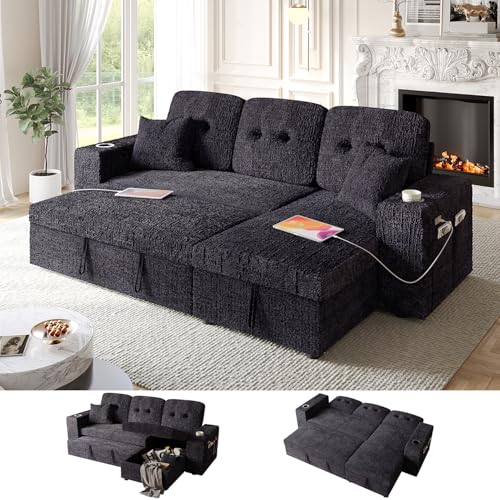

A 90-inch sectional sofa sleeper is a convertible sofa that measures approximately 90 inches (228 cm) in its longest dimension, typically the width of the main seating section. Unlike standard 100+ inch sectionals, this size is specifically designed for rooms where space is at a premium but you still want the L-shaped seating configuration that sectionals provide.
The "sectional" part means it has at least two connected seating sections, usually a main sofa plus a chaise or corner piece. The "sleeper" component means it contains a hidden bed mechanism — most commonly a pull-out mattress, though you'll also find pop-up sleeper sectional designs and click-clack mechanisms. When you need extra sleeping space, the sectional unfolds into a bed that typically accommodates one to two people.
For buyers who want a sectional but worry about fitting it through doorways or into small rooms, the 90-inch size class is ideal. It's notably more manageable than the oversized sectional sleeper sofa options that dominate showrooms, yet it doesn't sacrifice the chaise or corner seating that makes sectionals so livable.
Understanding the exact dimensions before you buy is critical. A 90-inch sectional sleeper sofa has different measurements in sofa mode versus bed mode, and you need to account for both. Here's a typical breakdown:
| Measurement | Typical Range | What It Means for Your Space |
|---|---|---|
| Overall Width (long side) | 88–92 inches | Fits along walls in small-to-medium living rooms |
| Chaise/Corner Depth | 60–68 inches | Extends into the room; allow clearance for walking |
| Sofa Depth (seat to back) | 34–38 inches | Standard comfort depth; not too bulky |
| Height (backrest) | 32–36 inches | Keeps sightlines open in smaller rooms |
| Bed Size (when extended) | Full or Queen | Full: 54" x 75"; Queen: 60" x 80" |
| Bed Extension Depth | 70–85 inches from wall | Critical — you need this much floor space to fully open the bed |
That last row is the one buyers most often overlook. Even though the sofa is only 90 inches wide, the bed extension depth can eat up 7 feet of floor space when opened. In a small living room, you may need to move a coffee table or temporarily rearrange furniture to deploy the bed. If your space is genuinely tight, consider a small L-shaped sleeper sofa or a modular sleeper sofa sectional that lets you configure each piece independently.
If you're working with an even narrower footprint, our guide to sleeper sofas under 70 inches covers options that fit where a 90-inch sectional cannot. Conversely, if you have a bit more room, a 80-inch sleeper sofa with chaise or an extra-large sleeper sofa may give you more breathing room.
The mechanism determines how your sofa converts into a bed, and it affects comfort, durability, and even the sofa's weight. Here are the main types you'll encounter in the 90-inch size class:
Pull-Out (Innerspring or Memory Foam): The classic sleeper sofa design. A folded mattress sits inside the sofa frame and pulls out on a metal mechanism. In a 90-inch sectional, this is usually a full-size bed, though some models squeeze in a queen. The trade-off is weight and the need for substantial floor clearance when open. Look for models with a queen mattress for sleeper sofa if you need to sleep two adults comfortably.
Pop-Up: A pop-up sleeper sofa sectional hides the bed mechanism under the seat cushions. You lift the seat platform and the bed pops up and unfolds. These tend to be more compact when closed and are easier to operate for some users, though the mattress is often thinner.
Click-Clack: Common in sleeper sofas in a box and lighter-weight sectionals. You fold the backrest down flat to create the sleeping surface. It's simple and lightweight, but the resulting bed is usually firmer and more basic — fine for occasional guests, less ideal for nightly use.
Reversible: A reversible sofa sleeper lets you position the chaise on either the left or right side, which is a huge advantage in rooms where doorways, windows, or traffic flow dictate layout. If you're not sure which side your chaise should sit on, a reversible model eliminates that risk.
No piece of furniture is perfect for every situation. Here's an honest look at what a 90-inch sectional sleeper does well and where it falls short:
This size class serves a specific set of buyers extremely well. You're likely in the right place if any of these describe your situation:
Apartment and condo dwellers. If your living room is under 200 square feet, a 90-inch sectional sleeper gives you a defined seating area without crowding the room. Pair it with a wall-mounted TV and a slim coffee table, and you've got a functional living space that doubles as a guest room.
Guest room and home office hybrids. A 90-inch sectional sleeper works beautifully in a room that needs to function as both a workspace and a guest bedroom. During the day it's a sofa and chaise; when visitors arrive, it converts. If you like the idea of a dedicated guest space, explore our everyday sleeper sofa picks that hold up to regular use.
First-time sleeper sofa buyers. The 90-inch size is forgiving — it's not so large that you'll regret the purchase if your next apartment is smaller, and not so small that it feels like a loveseat. It's a safe, versatile choice. If you're just starting your search, our first sleeper sofa checklist walks you through every decision point.
Small families and frequent hosts. If you regularly have one or two overnight guests (think grandparents, cousins, or kids' sleepovers), a 90-inch sectional sleeper handles that load without requiring a dedicated guest bed. A small sleeper sofa with storage can also hold extra bedding right inside the chaise.
Tiny house and cabin owners. In a tiny house sleeper sofa or a cabin sleeper sofa setup, every inch counts. A 90-inch sectional sleeper delivers lounge seating and a bed in one footprint, which is exactly what these spaces need.
With dozens of models on the market, narrowing down your options comes down to a few key decisions. Here's what to prioritize:
1. Measure your space — including the bed extension. Don't just measure where the sofa will sit. Measure the floor space needed when the bed is fully extended (typically 70–85 inches from the back of the sofa). If you can't accommodate that, a pop-up or click-clack mechanism may be a better fit than a traditional pull-out. Our sleeper sofa placement guide walks through this process step by step.
2. Decide on bed size. A 90-inch sectional can usually accommodate a full-size bed (54" x 75") or, in some premium models, a queen (60" x 80"). If two adults will sleep on it regularly, prioritize a queen. Look for models explicitly described as a sleeper sofa with queen mattress or a full-size sleeper sofa with memory foam mattress.
3. Choose your upholstery wisely. In a smaller room, lighter colors like cream sectional sleeper or white sleeper sofa sectional make the space feel larger. If you have kids or pets, grey sectional sleeper sofa or charcoal sleeper sofa hides stains better. For a warm, cozy look, brown sectional sleeper sofa or cognac leather sleeper sofa works beautifully. And for a bold statement, consider a navy blue sectional sleeper sofa or mustard yellow sleeper sofa.
4. Check the frame and mechanism quality. A heavy-duty sleeper sofa frame made from kiln-dried hardwood or sturdy metal will outlast a particleboard frame by years. If you plan to open and close the bed frequently, invest in a quality mechanism. Our sleeper sofa mechanism guide explains what to look for.
5. Consider storage. A sleeper sectional sofa with storage chaise gives you a place to stash blankets, pillows, and sheets — a huge plus in small spaces. If storage is a priority, look for models with a lift-up chaise lid.
6. Think about delivery and assembly. Some 90-inch sectionals ship in multiple boxes and require assembly. If you're not handy, look for models that arrive mostly assembled. A sleeper sofa that can be disassembled is also easier to move through tight doorways or up narrow staircases.
These are the pitfalls we see most often — and how to sidestep them:
Underestimating the bed extension. The single biggest mistake. A sofa that fits perfectly against the wall may become unusable as a bed if there's not enough floor space to open it. Measure twice, buy once.
Choosing style over comfort. A gorgeous mid-century modern sectional sleeper sofa might look stunning in photos, but if the mattress is thin and the cushions are firm, you'll regret it. Sit on it (or read detailed reviews) before committing.
Ignoring the weight. Sleeper sectionals are heavy. If you move frequently or live alone, consider a lighter mechanism like click-clack or a sleeper sofa in a box that's easier to handle.
Forgetting about traffic flow. In a small room, a sectional can block walking paths if placed poorly. Leave at least 18 inches between the sofa and other furniture for comfortable movement. Our living room traffic flow design guide covers this in detail.
Skipping the warranty check. A sleeper sofa's mechanism is the most likely part to fail. Look for a warranty that covers the mechanism for at least 3–5 years. Our warranty information for sleeper sofas page explains what's typical.
Prices for a 90-inch sectional sofa sleeper vary widely based on upholstery, mechanism quality, and brand. Here's a realistic breakdown:
| Price Tier | What You Get | Typical Materials |
|---|---|---|
| $500–$900 | Basic click-clack or entry-level pull-out; full-size bed; minimal padding | Microfiber, polyester, engineered wood frame |
| $900–$1,800 | Mid-range pull-out or pop-up; full or queen bed; better foam and mechanism | Linen, faux leather, hardwood frame |
| $1,800–$2,800 | Premium pull-out with memory foam mattress; storage chaise; durable mechanism | Top-grain leather, performance fabric, kiln-dried hardwood |
| $2,800+ | Luxury or designer sectional sleeper; custom upholstery; best-in-class mattress | Full-grain leather, bouclé, premium foam, heavy-duty steel |
These are rough market ranges and fluctuate with sales, brand, and availability. If you're looking for value, a well-reviewed model in the $900–$1,800 range often delivers the best balance of comfort, durability, and price. If budget is tight, consider a rent-to-own sleeper sofa or explore our affordable sleeper sofa picks.
A 90-inch sectional is small enough that styling mistakes show, but also small enough that a few smart choices can make it look intentionally designed. Here's how to get it right:
Keep scale in mind. Choose a coffee table that's 40–50 inches wide — large enough to anchor the seating area but not so large it crowds the chaise. Round or oval tables work especially well in small rooms because they soften the sectional's angular lines.
Layer textures. A single-color sectional can look flat. Add a throw blanket in a complementary texture (chunky knit, linen, or faux fur) and two or three pillows in coordinating colors. If your sofa is a beige sectional sleeper sofa or cream sectional sleeper sofa, navy, rust, or olive pillows create a nice contrast.
Use a rug to define the space. In an open-plan room, a rug under the sectional visually separates the living area from the dining or kitchen zone. Aim for a rug that extends at least 6 inches beyond the front legs of the sofa. Our rug placement sleeper sofa guide has measurements and layout diagrams.
Don't block the bed extension. Whatever you place in front of the sectional — coffee table, ottoman, rug — must be movable. An ottoman on felt pads or a lightweight coffee table is easier to shift than a heavy wood table when you need to open the bed.
Add lighting. A floor lamp with an adjustable arm near the chaise creates a cozy reading nook and fills the corner that sectionals sometimes leave empty. In a small room, lighting also makes the space feel larger after dark.
A sleeper sofa gets more use than a standard sofa because it's both a seat and a bed. A little maintenance goes a long way:
Vacuum regularly. Crumbs and dust work their way into the crevices and mechanism. Vacuum the seams and under the cushions every couple of weeks. For deeper cleaning, follow our sleeper sofa upholstery cleaning guide for fabric-specific instructions.
Lubricate the mechanism. Once or twice a year, apply a silicone-based lubricant to the metal joints of the pull-out mechanism. This prevents squeaking and keeps the bed easy to open and close. Our sleeper sofa mechanism repair guide covers common issues and fixes.
Rotate and flip the mattress. If your sleeper has a reversible mattress, rotate it every few months to prevent uneven wear. Memory foam mattresses don't flip, but they should still be rotated.
Protect the mattress. A waterproof sleeper sofa mattress protector keeps spills and accidents from reaching the mattress — especially important if kids or pets use the bed.
Browse our curated selection of top-rated 90-inch sectional sofa sleepers, tested and reviewed for comfort, durability, and value.
SHOP TOP PICKSCompact corner comfort for tight spaces
Configurable seating for any room
Space-saving pop-up mechanism
Hidden storage in the chaise
Versatile neutral for any decor
Soft, durable, family-friendly fabric
Bold color, timeless style
Maximum function in minimum space

Don't miss a single essential. Our comprehensive checklist covers size, mattress type, mechanism, and must-have accessories.
Read More →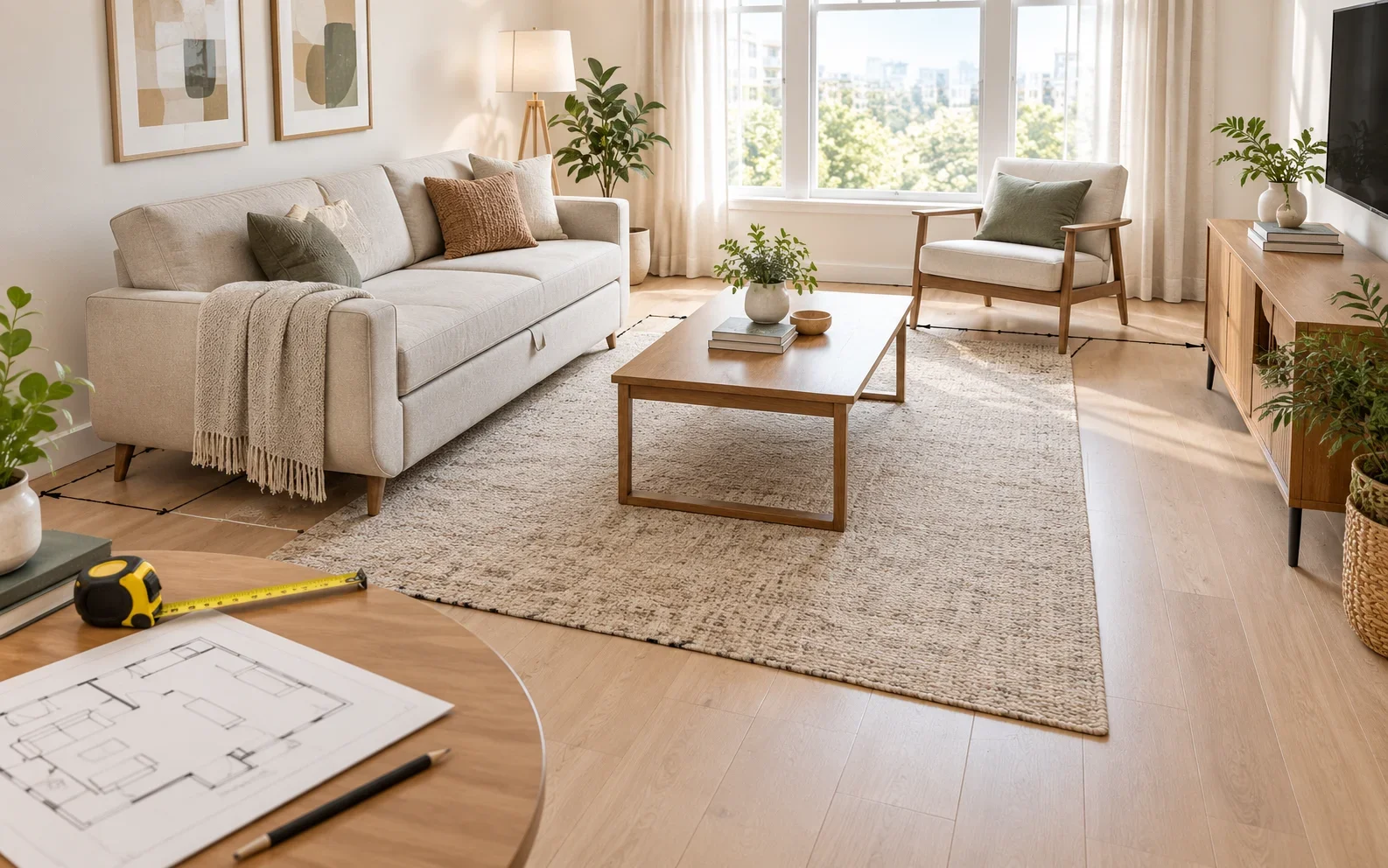
From measuring your space to achieving living room balance. Learn how to position your sleeper sofa for the best flow.
Read More →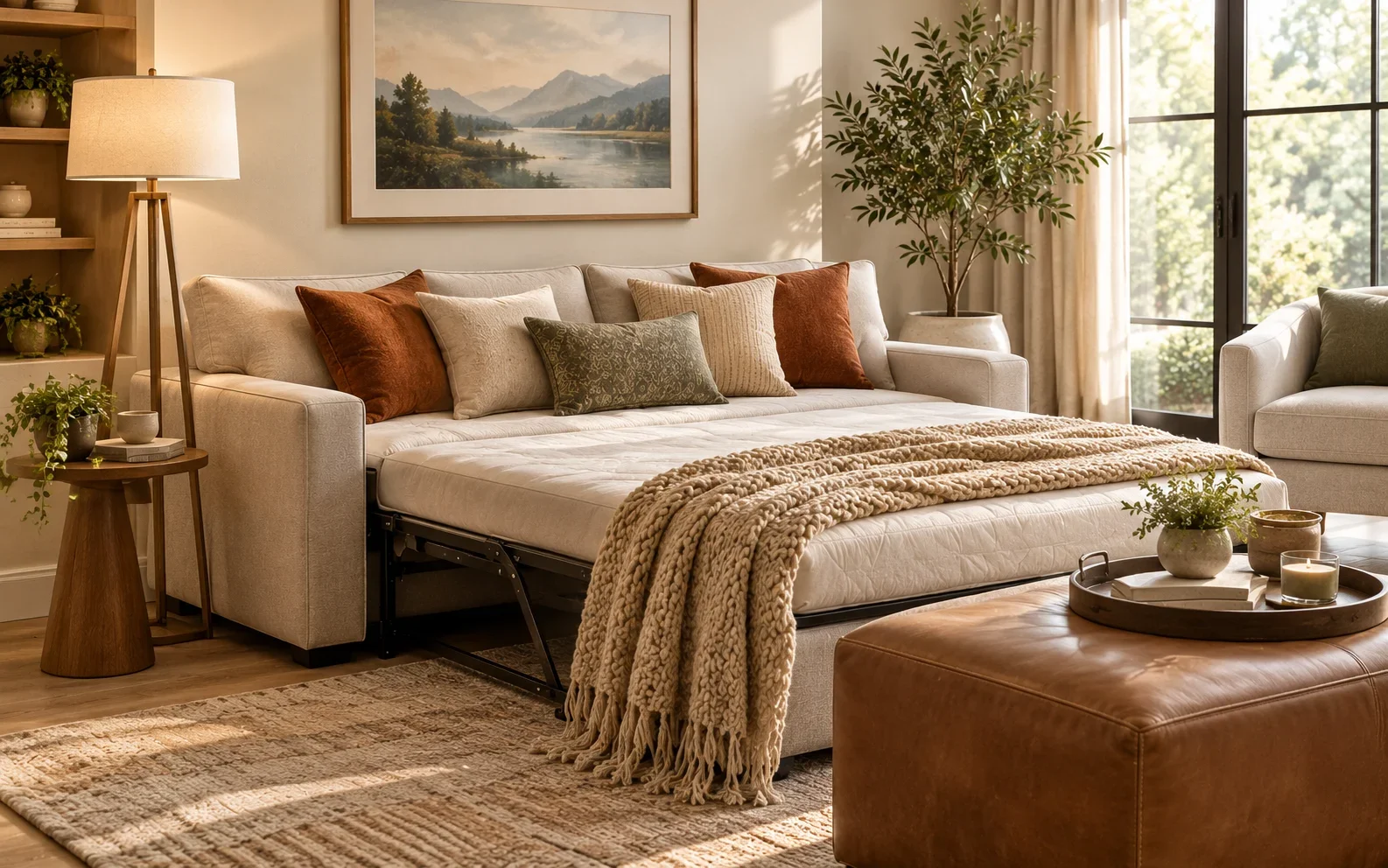
Master the art of sleeper sofa styling with easy-to-follow guides for contemporary, classic, and eclectic living rooms.
Read More →The information provided on SleeperSofaPro is for educational and informational purposes only. We are not professional interior designers or furniture technicians, and our content should not replace professional advice. Always consult with a qualified expert regarding furniture compatibility, safety, or technical concerns. Some content may use AI assistance. Always check product warranties and safety standards before purchasing. If you do not agree, please do not use this website. Read the full disclaimer.