
Wood Frame Sleeper Sofa: The Complete Guide to Strength, Style & Smart Buying
A wood frame sleeper sofa combines timeless craftsmanship with modern versatility. In this guide, you'll learn how to evaluate frame materials, identify quality joinery, compare price tiers, and choose the right wooden-frame convertible sofa for your home.
Browse Top PicksWhy the Frame Matters Most: The frame is the skeleton of your sleeper sofa. A high-quality wood frame determines how long your sofa lasts, how well the pull-out mechanism functions, and how comfortable the mattress stays night after night. Choosing the right wooden frame can mean the difference between a 3-year sofa and a 15-year investment.
What Exactly Is a Wood Frame Sleeper Sofa?
A wood frame sleeper sofa is a convertible sofa whose internal structure is built primarily from solid wood or engineered wood. Unlike metal-frame models, wooden frames are prized for their warmth, natural shock absorption, and the way they accept upholstery staples and joinery. The frame supports the seat cushions, the backrest, and—most critically—the folding or pull-out mattress mechanism hidden underneath.
Wood frames are commonly found in traditional-style sleeper sofas, farmhouse-style sleeper sofas, and French country sleeper sofas, where exposed wood legs and carved details are part of the design language. They also appear in modern models where the frame is fully upholstered and hidden from view.
Because the frame bears the weight of both seated guests and sleeping adults, the species of wood and the quality of joinery matter far more than the visible fabric. A beautiful linen cover over a flimsy frame will fail quickly, while a modest fabric over a kiln-dried hardwood frame can last for decades.
Types of Wood Used in Sleeper Sofa Frames
Not all wood frames are created equal. The species, grade, and moisture content of the wood directly affect durability, weight, and price. Here are the most common materials you'll encounter:
| Wood Type | Durability | Weight | Best For | Typical Price Impact |
|---|---|---|---|---|
| Kiln-Dried Hardwood (maple, oak, ash) | Excellent | Heavy | Daily-use family sofas, heavy adults | $1,200–$2,500+ |
| Pine / Softwood | Moderate | Light | Guest rooms, occasional use | $600–$1,200 |
| Plywood (Engineered) | Good (multi-ply) | Moderate | Budget-friendly frames, curved shapes | $400–$900 |
| MDF / Particle Board | Poor | Heavy | Very low-cost disposable furniture | Under $400 |
| Rubberwood | Good | Moderate | Mid-range sofas, tropical climates | $700–$1,400 |
When shopping, look for phrases like "kiln-dried hardwood" or "solid wood frame." Avoid vague terms such as "wood construction" or "engineered wood" unless the seller specifies plywood thickness and grade. If you need a frame that can handle heavier users, explore our guide to sleeper sofas for heavy persons and high-weight-capacity sleeper sofas.
Why Choose a Wood Frame Over Metal or Other Materials?
Wood frames offer several advantages that metal and composite frames struggle to match:
- Natural shock absorption: Wood flexes slightly under weight, reducing stress on joints and the mattress mechanism.
- Superior joinery potential: Mortise-and-tenon, dowel, and dovetail joints are only possible with wood—these are far stronger than welded metal corners.
- Repairability: A cracked wooden rail can be glued, screwed, or replaced. A bent metal frame often cannot be fixed.
- Aesthetic warmth: Exposed wood legs and arms add character that painted or chrome metal cannot replicate.
- Better for humid climates: Properly sealed hardwood resists rust and condensation that plague metal frames in coastal or tropical environments—see our tropical sleeper sofa and beachy sleeper sofa guides.
That said, metal frames can be lighter and less expensive. If you're comparing options, our conventional sleeper sofa overview explains when a metal frame might still be the right call.
How to Evaluate Wood Frame Construction Quality
Two sofas can use the same wood species yet perform completely differently based on how they're assembled. Here's what to inspect:
1. Corner Joints
The strongest frames use mortise-and-tenon or dowel joints, often reinforced with corner blocks and screws. Staples alone are a red flag—they pull out under stress. If you can lift the sofa and hear creaking or feel flex at the corners, the joinery is weak.
2. Kiln-Dried vs. Green Wood
Kiln-dried wood has had moisture removed in a controlled environment, preventing warping, cracking, and mold. Green (unseasoned) wood shrinks over time, loosening joints and misaligning the mattress mechanism. Always ask if the wood is kiln-dried.
3. Frame Thickness
Quality frames use rails and stiles at least 1 inch thick (often 1.25 inches). Thinner wood saves cost but sacrifices rigidity. The mattress platform—the part that supports the pull-out bed—should be at least 0.75 inches thick.
4. Corner Blocks and Glue
Look for triangular corner blocks glued and screwed into every inside corner. These blocks dramatically increase rigidity. High-quality manufacturers use furniture-grade wood glue, not hot-melt adhesive.
5. Mechanism Mounting
The metal pull-out mechanism should be bolted through the wooden frame with T-nuts or heavy-duty brackets—not simply screwed into thin wood. A poorly mounted mechanism will tear out the frame within months. For more on this, see our sleeper sofa mechanism guide.
Wood Frame and Mattress Compatibility
A wooden frame doesn't just hold the mattress—it influences what mattress types you can use. Most wood-frame sleeper sofas use a fold-out or pull-out mechanism that requires a flexible mattress, typically 4 to 6 inches thick. Memory foam and spring mattresses both work, but the frame's platform must be flat and rigid to prevent sagging.
If you prefer a thicker mattress, look for models with a pillow-top sleeper sofa design or a full sleeper sofa with air mattress, which often use reinforced wooden platforms. For a complete breakdown of sizes, see our sleeper sofa mattress size guide and sleeper sofa mattress guide.
One advantage of wood frames is that they can be sanded and refinished if the mattress platform develops rough spots. Metal frames may rust or bend, creating permanent comfort issues.
Wood Frame Sleeper Sofa Price Tiers
Prices for wood frame sleeper sofas vary widely based on wood species, joinery, upholstery, and mattress quality. Here's what you can expect to pay in today's market:
At the budget end, you'll find sleeper sofas under $300 and 50-inch sleeper sofas that use particle board or thin plywood—acceptable for guest rooms but not daily use. Mid-range options often include queen sleeper sofas with ottoman and 3-seater sofa sleepers with rubberwood frames.
If you're shopping secondhand, read our second-hand sleeper sofa guide to learn how to inspect a wooden frame for hidden damage.
Style Considerations: Wood Frames That Match Your Decor
Wood frames come in a range of finishes, from light natural oak to dark espresso. The finish you choose should complement your existing living room palette:
- Light woods (oak, ash, birch): Ideal for Nordic, beachy, and minimalist interiors. Pair with white linen or seafoam upholstery.
- Medium woods (walnut, cherry, rubberwood): Versatile for traditional, farmhouse, and transitional rooms.
- Dark woods (espresso, mahogany): Best for Victorian, traditional, and formal living rooms.
- Painted wood frames: Popular in French country and cottage styles.
Exposed wood legs are a hallmark of quality. Turned legs, tapered legs, and bun feet all signal a wooden frame underneath. If you prefer a fully upholstered look, the wood frame is hidden but still provides the structural benefits.
For color inspiration, explore our guides to camel-colored, light brown, and charcoal gray sleeper sofas.
Caring for Your Wood Frame Sleeper Sofa
Wood frames are low-maintenance but not maintenance-free. Follow these practices to extend the life of your investment:
- Control humidity: Keep indoor humidity between 35% and 55%. Extreme dryness causes cracking; high humidity invites mold and warping.
- Avoid direct sunlight: UV rays fade and dry out wood finishes. Use curtains or blinds during peak sun hours.
- Clean spills immediately: Wipe liquid from wood surfaces with a dry cloth. For upholstered frames, follow our liquid spill cleanup guide.
- Tighten hardware annually: Check bolts and screws on the pull-out mechanism. Loose hardware stresses the wood frame.
- Use felt pads: Protect wood legs and floors with sleeper sofa felt pads.
- Condition exposed wood: Apply a furniture-grade wood conditioner once or twice a year to prevent drying and cracking.
For deeper cleaning and restoration, see our guides to sleeper sofa upholstery cleaning, odor neutralizing, and water ring removal.
Common Mistakes When Buying a Wood Frame Sleeper Sofa
Even experienced shoppers make these errors. Avoid them to ensure you get a sofa that lasts:
- Assuming "wood frame" means solid hardwood. Many budget sofas use plywood or particle board. Always verify the species and grade.
- Ignoring the weight of the sofa. Solid hardwood frames are heavy—often 200–350 lbs for a queen. Measure your doorway and stairwell first. Our sleeper sofa that will fit through a 28-inch door guide can help.
- Prioritizing fabric over frame. A gorgeous cover on a weak frame will disappoint. Spend your budget on structure first.
- Not testing the mechanism. Open and close the bed several times in the store. Listen for creaks, feel for binding.
- Forgetting about delivery. Heavy wood frames may require white-glove delivery. See our sleeper sofa delivery and quick delivery guides.
Ready to Find Your Wood Frame Sleeper Sofa?
Browse our curated selection of top-rated wooden-frame convertible sofas below. Each pick balances frame quality, comfort, and value.
See Recommended ModelsRecommended Wood Frame Sleeper Sofas
⚠️ AFFILIATE DISCLOSURE: This website contains affiliate links. As an affiliate Associate, we earn from qualifying purchases. If you make a purchase through these links, we may receive a small commission at no additional cost to you. Read our full affiliate policy.

71" Grey 3-in-1 Queen Sofa Sleeper with Storage & Rev Chaise, Wooden Frame | Solid wood sofa bed, convertible to guest bed. Great for living rooms, apartments & offices. Also saves space in tiny rooms.

59" Grey 3-in-1 Sofa Sleeper with Storage & Rev. Chaise, Solid Wood Frame | Solid wood sofa bed, convertible to guest bed. Great for living rooms, apartments & offices. Also saves space in tiny rooms.
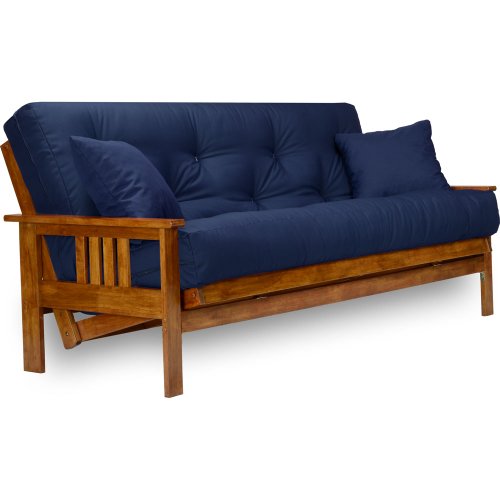
Nirvana Futons Stanford Futon Set - Full Size Futon Frame with Mattress Included (8 Inch Thick Mattress, Twill Navy Blue Color), Heavy Duty Wood, Popular Sofa Bed Choice

Lartis 78.7" Sofa Bed, Sleeper Pull Out Couch, Modern Couch Convertible Modern Futon for Living Room/Apartment/Bedroom, Modular Design Sofa,Full Solid Wood Frame

71" 3-in-1 Convertible Pull Out Sleeper Sofa, Solid Wood Log Color Frame | Solid wood sofa bed, convertible to guest bed. Great for living rooms, apartments & offices. Saves space in smaller areas.

71" 3 in 1 Sectional Sleeper Sofa Storage, Reversible Chaise, Wood Frame

71" 3-in-1 Sleeper Pull Out Sofa, Walnut Solid Wood Frame, Sectional Couch | This convertible sofa made of solid wood, converts to a guest bed quickly. Ideal for living rooms, apartments, and offices.

59" 3-in-1 Sleeper Sofa with Storage, Solid Wood Frame folding sofa bed
Frequently Asked Questions About Wood Frame Sleeper Sofas
Is a wood frame sleeper sofa better than a metal frame?
For most home settings, yes. Wood frames offer superior shock absorption, repairability, and aesthetics. Metal frames are lighter and sometimes cheaper, but they can bend, rust, and develop squeaks over time. The best choice depends on your climate, usage frequency, and budget.
How can I tell if a sleeper sofa has a solid wood frame?
Look for exposed wood legs or arms—they're a strong indicator. Ask the retailer for the frame material specification. If buying in person, lift one corner; a solid wood frame will feel dense and heavy. Avoid sofas that feel light for their size, as they likely use particle board or thin plywood.
How long does a wood frame sleeper sofa last?
A well-made kiln-dried hardwood frame with mortise-and-tenon joinery can last 15 to 25 years with proper care. Budget plywood frames may last 3 to 7 years. The mattress and mechanism often need replacement before the frame fails.
Can I replace the mattress in a wood frame sleeper sofa?
Yes. Most wood frame sleeper sofas accept standard replacement mattresses sized for the mechanism (usually 4–6 inches thick). Measure the platform and mechanism clearance before ordering. See our sleeper sofa mattress size guide for details.
Do wood frame sleeper sofas squeak?
Quality wood frames with glued and screwed joints rarely squeak. Squeaking usually indicates loose hardware, dried glue, or a poorly mounted mechanism. Tighten bolts and apply wood glue to loose joints to silence most squeaks.
What is the best wood for a sleeper sofa frame?
Kiln-dried maple, oak, and ash are considered the best for durability and strength. Rubberwood and pine are acceptable mid-range options. Avoid particle board and MDF for any sofa that will be used regularly as a bed.
Final Takeaway: A wood frame sleeper sofa is an investment in comfort and durability. By understanding wood species, joinery quality, and mechanism mounting, you can confidently choose a sofa that will serve your guests and family for years. Use the product recommendations above as a starting point, and always verify the frame specification before purchasing.